
Painting Over Dark or Bold Colors? No Problem: Try These Casual Tips!
- Lewis Love
- Feb 17, 2025
- 3 min read

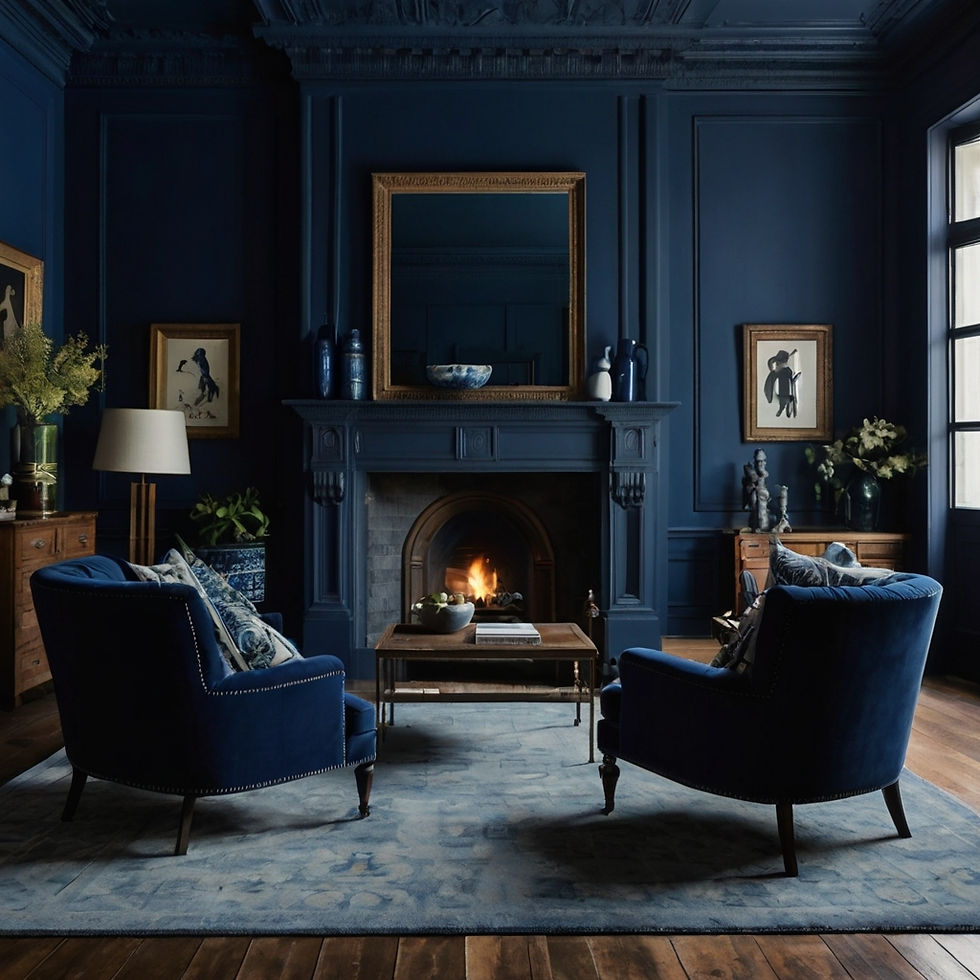
Painting a room can feel overwhelming, especially when you're dealing with spaces that have been saturated in dark or bold colors. The key is not just in covering those intense hues but also in creating a fresh, welcoming atmosphere. With the right strategies, transforming your space can be easy and rewarding. Here are some practical tips to guide you through your painting journey.
Understand the Color Wheel
A great starting point is understanding the color wheel. Colors positioned opposite each other can help neutralize dark shades. For example, if you're covering dark blue walls, consider using warm colors like peach or soft beige. These colors can effectively balance the space. In fact, using contrasting colors can reduce the number of coats of paint needed by up to 50%!
Prep the Walls Properly
Proper wall preparation is essential when you're painting over dark colors. Start by cleaning the walls with a mixture of mild soap and water, ensuring you remove any dirt. After cleaning, fill any holes or cracks with spackle. This helps create a smooth surface. Once that’s done, lightly sand the walls to enhance paint adhesion. Proper prep work can cut your total painting time in half by reducing the number of touch-ups needed later.
Use a High-Quality Primer
Never skip the primer! It's a vital step when painting over dark hues. A high-quality, stain-blocking primer will significantly cover existing paint and prevent it from bleeding through. Look for primers that are specifically made for tough colors. Using a good primer can make the difference between 2 coats of paint versus 4, saving you time and reducing frustration.
Choose the Right Paint Sheen
Deciding on paint sheen is just as important as choosing color. Matte finishes can effectively hide surface imperfections but may not withstand wear and tear as well as higher gloss options. Satin or eggshell finishes offer durability, making them ideal for high-traffic areas. For example, a satin finish in a kitchen can stand up to spills and stains and can be wiped clean easily.
Go Light with Your New Color
When transitioning from dark to light, choose colors wisely. Light shades like soft creams or light grays can make your space feel larger and airier. According to design studies, lighter colors can increase perceived room size by as much as 15%, creating a more open atmosphere. Soft earth tones or pastels not only brighten the room but lend a welcoming vibe.
Apply Multiple Coats
Dark colors often require multiple coats of new paint for complete coverage. Although this might seem tedious, it is necessary for achieving a vibrant finish. On average, you may need three coats of paint when covering dark tones. Allow each coat to dry completely before applying the next to ensure proper adhesion and avoid any mishaps.
Test Before You Commit
Sampling your chosen colors is a smart step. Grab small pots of paint and test them on your walls. This is crucial. Colors can look quite different in natural light compared to artificial lighting. A color that seems ideal in a store might appear too stark in your home. Testing can save you from costly repainting efforts later.
Consider a Textured Approach
If you're feeling creative, consider using a textured painting technique. Sponging, rag rolling, or ombre effects can add depth and character, helping to obscure any remaining dark hues. These techniques can be a playful way to express your style and can make the project more enjoyable. For instance, a subtle ombre effect can add a modern flair while blending out old colors.
Don't Rush the Drying Time
After each coat, resist the urge to paint over it immediately. Allowing proper drying time is essential. Following the paint manufacturer's drying time recommendations can prevent issues like peeling. It's worth the wait. Rushing can lead to costly mistakes and will not yield the desired professional finish.
Final Touches Matter
After painting your walls, pay attention to detail. Use painter's tape to clean up edges for a crisp look. Touch up any uneven spots and reposition artwork or décor to complement the new color scheme. Small finishing touches can elevate the entire look of the room, making a significant impact on the overall aesthetic.
Wrapping It Up
Painting over dark or bold colors can be a seamless process with the right guidance. By being meticulous in preparation, choosing quality materials, and embracing creativity, you can transform your walls effortlessly. Your fresh paint job will reflect your style and revitalize your space, making it feel more inviting and enjoyable. So grab your brushes and start your painting adventure!


Comments